

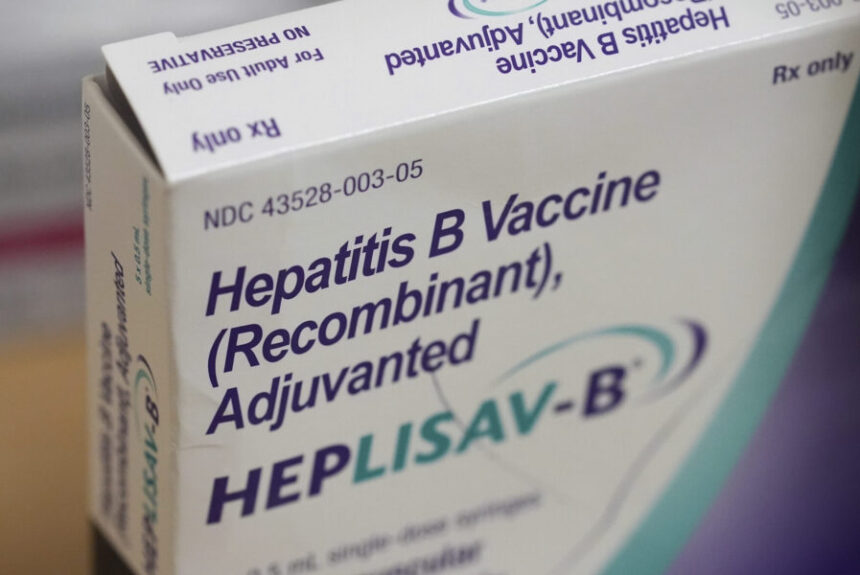
The United States Centers for Disease Control and Prevention (CDC) has made a controversial decision to scrap the long-standing policy of giving the hepatitis B vaccine to every newborn within 24 hours of birth, a move that has raised fresh concerns among Nigerian health experts over possible ripple effects on global vaccination confidence.On Thursday, the CDC’s Advisory Committee on Immunization Practices (ACIP) voted 8–3 to end the universal birth-dose recommendation that has been in place since 1991. Under the new guideline, only babies born to mothers who test positive for hepatitis B or whose status is unknown will automatically receive the vaccine at birth. For infants born to hepatitis B-negative mothers, the decision now rests on “shared clinical decision-making” between parents and doctors, with the first dose potentially delayed until two months of age or later.Nigeria’s heavy hepatitis B burdenNigeria remains one of the countries worst hit by hepatitis B in the world. According to the 2018 Nigeria HIV/AIDS and Viral Hepatitis Indicator and Impact Survey (NAIIS):
- 9.5 per cent of the adult population (about 19 million Nigerians) live with chronic hepatitis B
- Prevalence is highest in the North-West (12.2 per cent) and lowest in the South-East (5.3 per cent)
- An estimated 1.2 million Nigerian children under five are already chronically infected
- Hepatitis B and its complications cause approximately 52,000 deaths yearly in Nigeria — more than HIV, tuberculosis, and malaria combined in some years
The World Health Organisation ranks Nigeria among the top five countries globally with the highest absolute number of people living with chronic hepatitis B.Why the birth dose is non-negotiable in NigeriaSince the hepatitis B birth dose was introduced into the routine immunisation schedule in 2013, studies have shown a measurable impact:
- A 2022 study in Benue State found that children who received the birth dose were 87 per cent less likely to be chronically infected by age five
- National coverage of the hepatitis B birth dose rose from 11 per cent in 2016 to 41 per cent in 2023 (Nigeria Immunisation Coverage Survey, 2023), though wide regional gaps persist
- In states like Sokoto and Kebbi, birth-dose coverage remains below 15 per cent, contributing to persistently high childhood infection rates
Nigerian experts react with alarmDr Chukwuma Anyaike, National Coordinator of the National AIDS, Viral Hepatitis and STIs Control Programme (NASCP), told The PUNCH:
“The birth dose is our strongest weapon against mother-to-child transmission. In Nigeria, only about 60 per cent of pregnant women attend four or more antenatal visits, and many deliver at home or with traditional birth attendants where testing is unavailable. Removing the blanket birth dose would be catastrophic here.”Professor Edamisan Temiye, consultant paediatrician at the Lagos University Teaching Hospital (LUTH), added:
“Even in the U.S., experts predict this policy could cause an extra 1,400 infections and nearly 500 deaths per year. In Nigeria, with our 9–12 per cent prevalence and weak health systems, the numbers would be tens of thousands.”As of press time, the Federal Ministry of Health and the National Primary Health Care Development Agency (NPHCDA) have reaffirmed that the hepatitis B birth dose remains compulsory and free at all public health facilities nationwide. Health workers have been directed to intensify community sensitisation to counter any imported vaccine hesitancy from the U.S. decision.